
Electrify the fleet, shift the commute — starting at the car park
Your EV fleet needs chargers it can count on, and your mobility policy needs people to leave the solo car at home. Commuty turns parking and charging into the levers that get you there: shared chargers, priority for greener commuters and a clear view of your mobility mix.
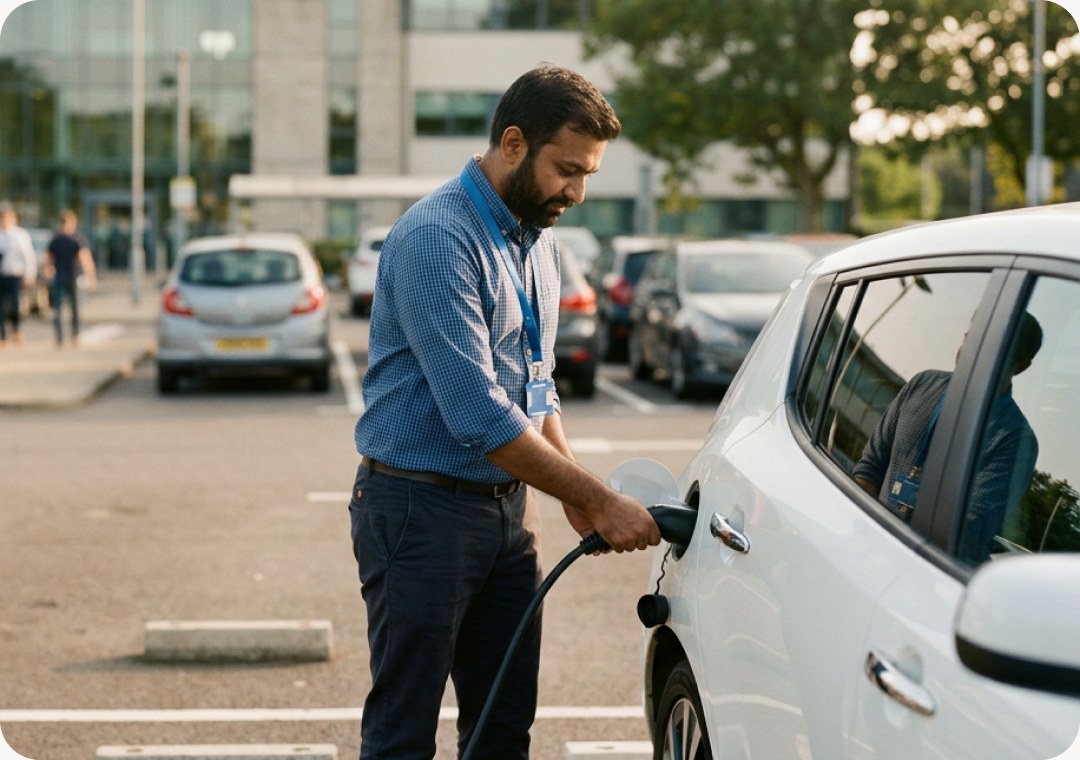


They optimise their parking, EV charging and mobility with us







Your mobility targets stop at the car park barrier
First come, first served rewards whoever drives alone and arrives earliest, while EV chargers stay blocked all day. Commuty makes the car park the place where your mobility policy actually applies.
Every EV driver knows where they will charge
A fleet driver cannot afford a flat battery. Charging access is booked together with the parking space, and chargers are shared in rotation so each one serves more than one car a day.
- Parking spot and charger confirmed before the drive in
- Chargers shared in rotation, not blocked all day
- Priority for the drivers who need a charge most

Put the greener commute first in line
Your parking rules are your strongest incentive. Give carpoolers priority and the better spots, and sharing the car becomes the surest way to get a space.
- Carpoolers get priority in the daily allocation
- Carpool trips matched and approved in the app
- Fewer solo cars competing for the same spaces
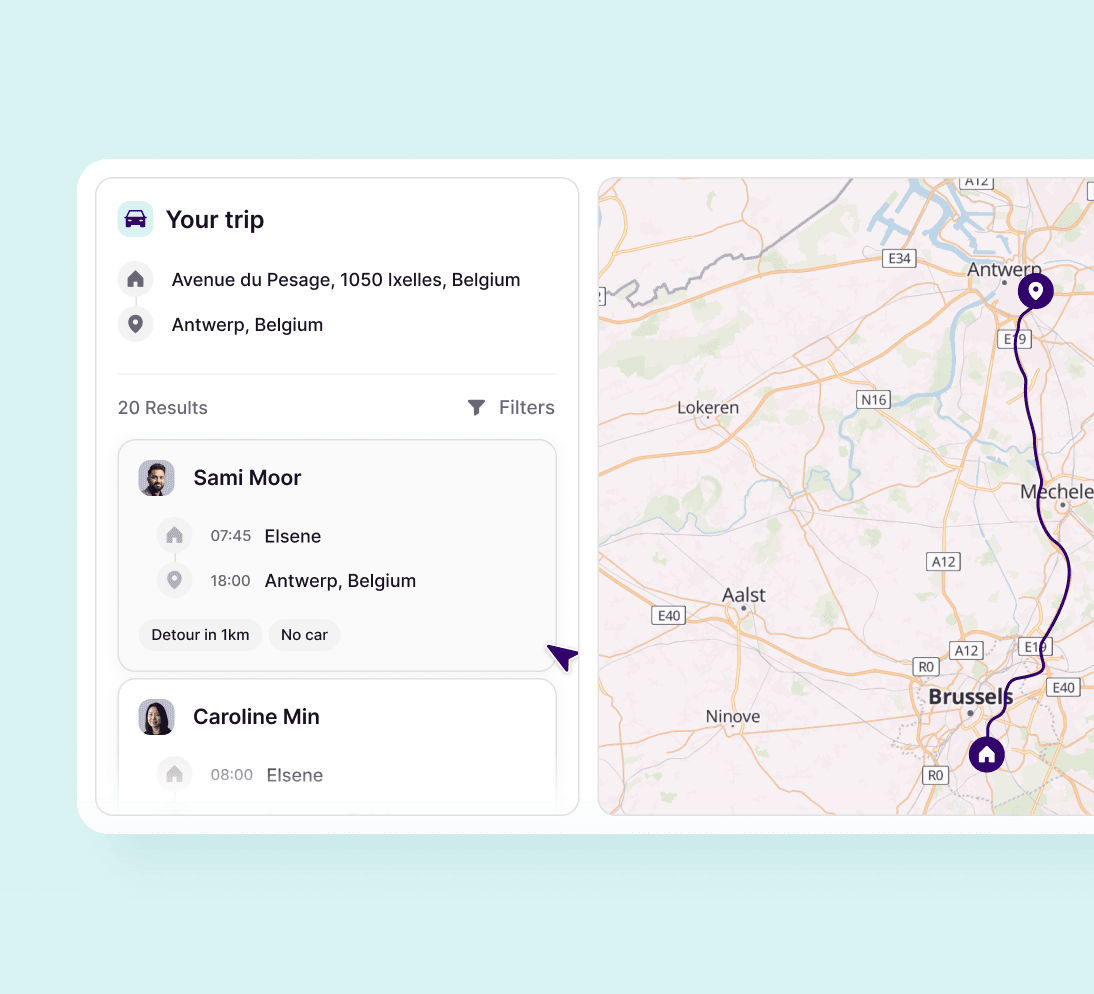
Your mobility mix, measured
See how your people really come to work — car, carpool, bike, public transport or on foot — with the kilometres and CO2 behind each. The data sizes your fleet, your car park and your charging roll-out, and feeds your ESG reporting.
- Commutes by mode, with km travelled and CO2 saved
- Parking occupancy and charging use over time
- Figures ready for ESG and Scope 3 reporting

Make green commuting pay for your people
Incentives only work when they are effortless. Employees declare a carpool, bike, train or walking commute in a couple of taps; Commuty computes the distances and structures them into the data your payroll needs.
- Green commutes summarised, ready to feed payroll
- Colleagues matched for carpooling on route and hours
- Incentive rules you set, applied the same way for everyone

“Employees can plan their parking ahead of their day, and we get reliable data on how our car parks are really used — that’s what lets us steer our mobility strategy.”


All features for a Mobility & Fleet Manager
Beyond the four levers above, the platform gives you the fine controls of a mobility policy: how chargers are shared between drivers, who charges first, carpool priority built into the parking rules themselves, and charging spots booked straight from an employee's AI assistant.
Lorem ipsum dolor sit amet, consectetur adipiscing elit. Suspendisse varius enim in eros elementum tristique.

Employees can ask Copilot, ChatGPT, Gemini, Claude or Le Chat for a parking or charging spot, and Commuty books it, along with much more. A smoother experience, fully secured, with no app to open.

One charging point can serve several drivers a day. Commuty plans the handover and tells each driver when to plug in and when to move on, so a full charger is never a blocked one.

Decide how your charging points are shared — by timeslot, by a free switch, or by cable. Priority levels keep the drivers who need a charge that day in front of the queue.

Carpoolers get first claim on a spot, automatically. The rule sits inside the parking module, so choosing to share a car is the option that also makes parking easier.

Challenges you might have



Integrates with your ecosystem
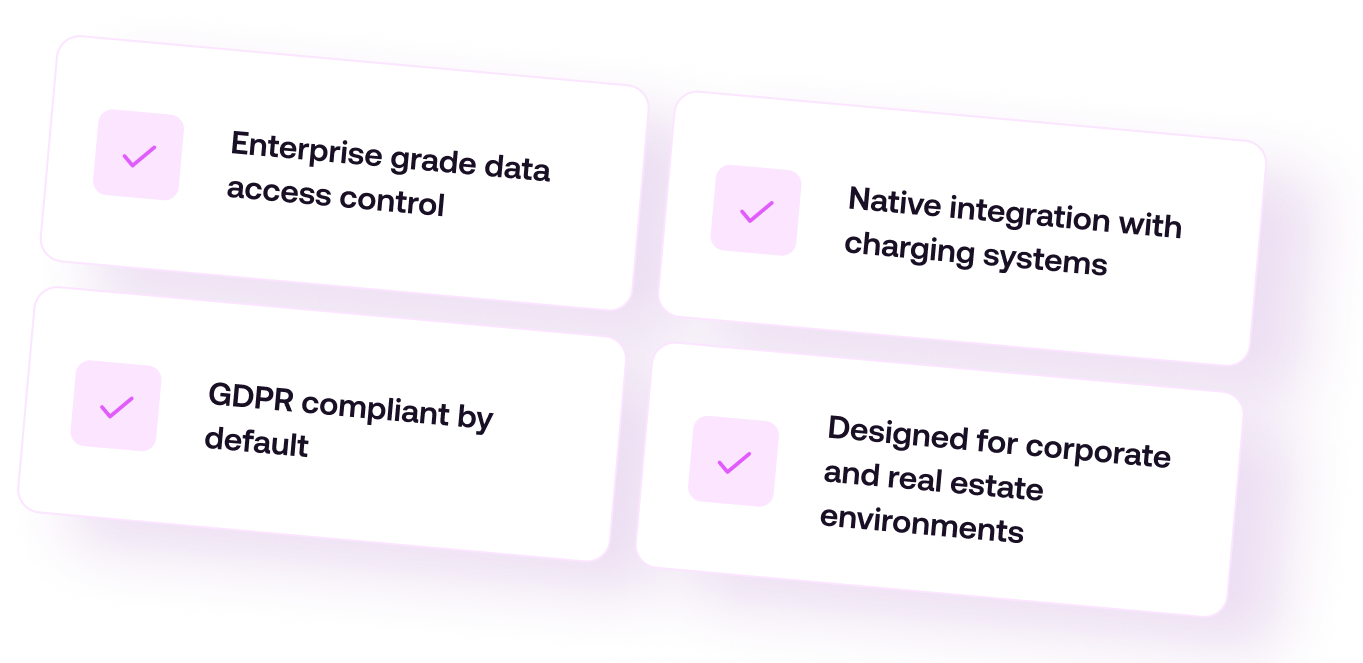
Commuty integrates with the tools and systems you already use, from access control to EV charging and workplace platforms.
EV charging
Commuty decides who may charge and when, and reads every session back. Integrated with leading charge-point operators.



HR & payroll systems
Holidays, leavers and out-of-office days flow from your HR system into Commuty, so spaces are released automatically — and the financial data flows back.





Public car parks
Renting spaces in a public car park? Commuty shares them among your people by booking and by your rules, rather than tying them to a fixed list of badge holders. Live integrations with Interparking, Q-Park and Indigo.



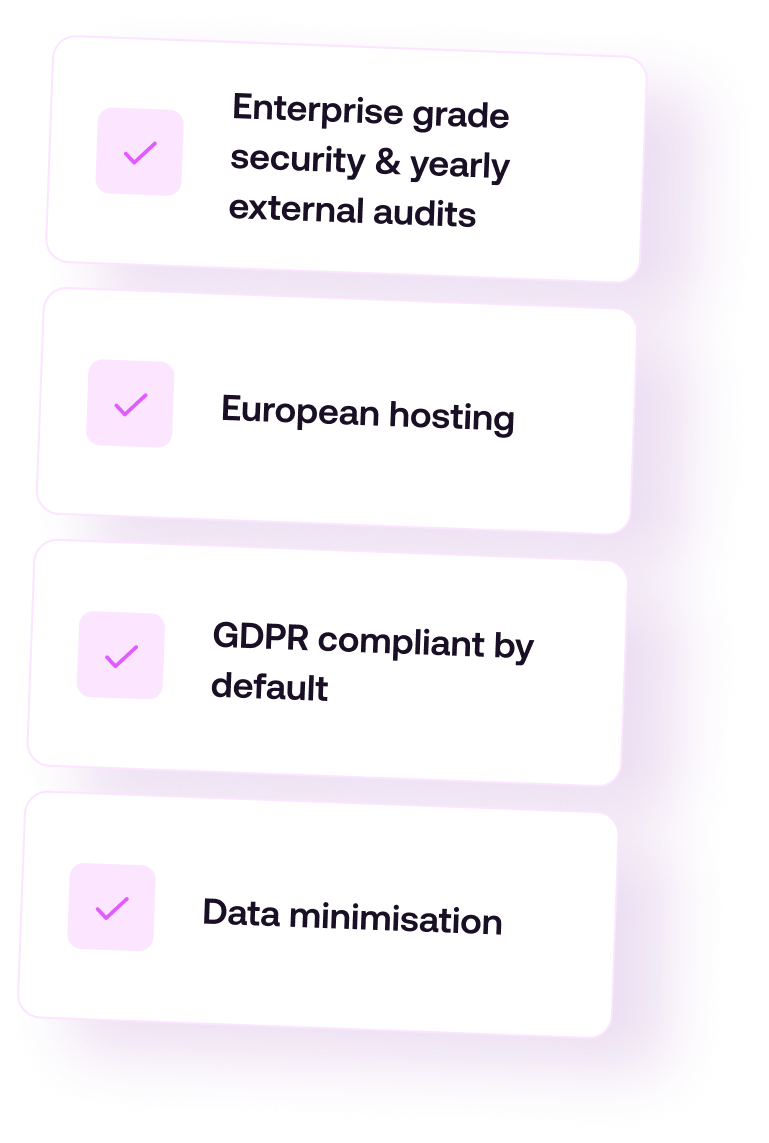
Security & data privacy in everything we do





Talk to Commuty today
We help teams make parking, charging, and commuting, work in real working environments.
Commuty is a parking and mobility management platform that helps organisations manage parking, EV charging, and commuting using clear rules instead of first come, first served.
Commuty is especially useful when parking capacity is limited, EV charging demand is growing, or manual coordination no longer scales. It is designed for private parking in corporate environments, as well as shared parking in single- and multi-tenant buildings.
Commuty uses rule-based parking allocation instead of first come, first served or nominative spots. You define the rules that determine who gets access, based on criteria like user groups, commuting distance, parking usage or mobility choices. Access is allocated in advance, so users know ahead of time whether they have a spot on a given day.
When demand exceeds availability, clear priority rules decide who gets access, and anyone who misses out is told why. This keeps parking fair, predictable and transparent.
Yes. Commuty integrates with existing access control systems such as gates, badges, licence plate recognition, and EV chargers. There is no need to replace your current infrastructure.
EV charging is managed using the same rule-based approach as parking. You can define who gets access to chargers and how charging is shared over time. Charging sessions can rotate to avoid chargers staying blocked, helping you make better use of existing charging points.
Commuty can link parking access to commuting behaviour. Employees who car share, drive electric, or use alternative transport can be given better chances of accessing parking, turning sustainability goals into practical incentives.
Commuty provides visibility into parking usage, commuting behaviour, and charging activity. This includes metrics such as kilometres travelled, CO₂ savings, and energy usage, supporting reporting, planning, and investment decisions.