
Keep every charging point busy, and every tenant charged
Corporate fleets will double their share of EVs by 2030 — your building's grid capacity won't. Commuty gets more out of the chargers you already have: fair rotation, tenant-managed priorities, and sessions that only start for the drivers who booked them.



We help teams manage the commute every day











Why add chargers when the ones you have sit idle?
Most workplace charging points serve one car a day: someone plugs in at 08:30 and unplugs at 18:00. Organised rotation turns the same hardware into two or more sessions a day — no new capacity, no grid upgrade, and a spot for every driver to come back to.
Everything you need to solve limited charging infrastructure
Double the sessions, not the chargers
Timeslotted rotation gives each charger at least two sessions a day: one driver gets the morning, the session stops automatically, the next takes the afternoon — with a spot to drive back to. A methodology tested and approved by corporate tenants.
- Two or more sessions a day from the same charging point
- Sessions stop automatically at slot end, with no manual policing
- Every driver keeps a parking spot to come back to

Your tenants manage their own priorities and quotas
You set the capacity per tenant; each tenant decides who gets charging access and with which priority, in self-service. No operational burden on your teams, no CAPEX.
- You set the capacity per tenant, they decide who charges
- Self-service, so nothing lands on your building team
- No CAPEX and no new hardware to buy

Only drivers who booked can start a session
Through our CPO integrations — Optimile today, more to come — Commuty locks and unlocks the chargers you already installed: a valid booking unlocks the charger, sessions stop at slot end, and an unused charger locks itself again. No squatting, no trust-based chaos.
- A valid booking unlocks the charger, nothing else does
- Sessions end on time and the charger relocks itself
- Runs on the chargers you already installed, through CPO integrations

And we fine-tune until every charger runs full
Every session generates data: usage, no-shows, overstays. Our customer success team reviews it with you and keeps adjusting the rotation strategy — so chargers stay busy and no tenant queues.
- Usage, no-shows and overstays visible per charging point
- Your customer success manager reviews the data with you
- Rotation rules adjusted until chargers stay busy

All features that come with the same platform
Charging is one module of the platform that handles parking, charging, and commuting. Switch it on for the chargers and the rest is already there: tenant billing, real occupancy figures, barrier access, and the mobility options that take pressure off the car park in the first place.
Lorem ipsum dolor sit amet, consectetur adipiscing elit. Suspendisse varius enim in eros elementum tristique.

Every tenant is billed for exactly what they used, following the pricing rules you set. The report is generated for you, so re-invoicing a shared car park no longer means a spreadsheet.

Occupancy per site and per day, taken from the bookings themselves rather than a survey. You can see which car parks are under-used before deciding to resize, sublet or lease more.

Carpoolers get first claim on a spot, automatically. The rule sits inside the parking module, so choosing to share a car is the option that also makes parking easier.

With our 30+ integrations, our platform can connect with most of the access control systems, automating building entrance seamlessly.
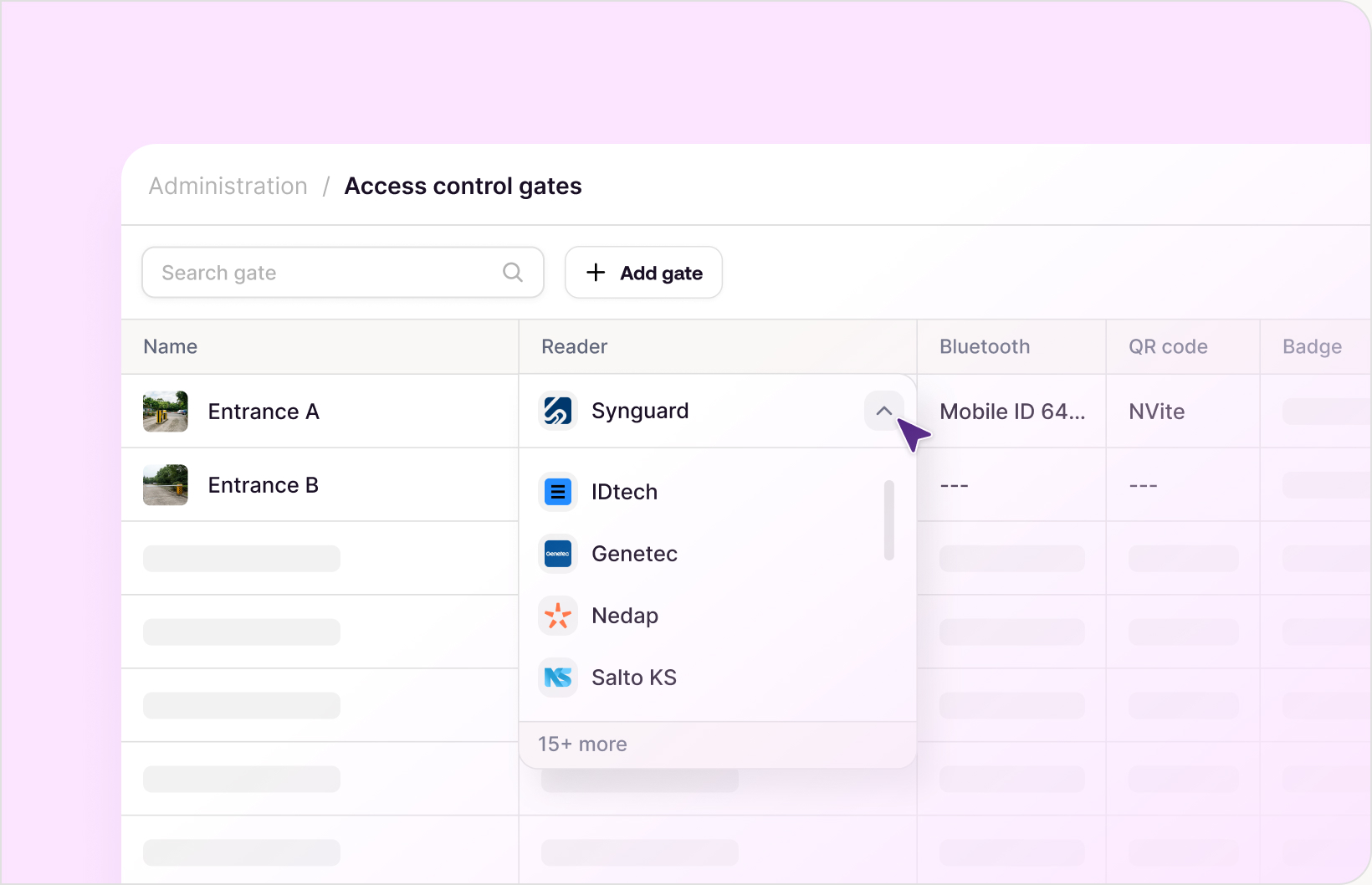
Integrates with your ecosystem
Commuty integrates with the tools and systems you already use, from access control to EV charging and workplace platforms.
AI assistants
Book parking in plain words, from the AI assistant your company already uses: ChatGPT, Microsoft Copilot, Claude or Gemini.




User authentication & management
Commuty plugs into your identity stack: Active Directory, single sign-on over SAML 2.0 or OpenID Connect, and user provisioning through SCIM.


Public car parks
Renting spaces in a public car park? Commuty shares them among your people by booking and by your rules, rather than tying them to a fixed list of badge holders. Live integrations with Interparking, Q-Park and Indigo.



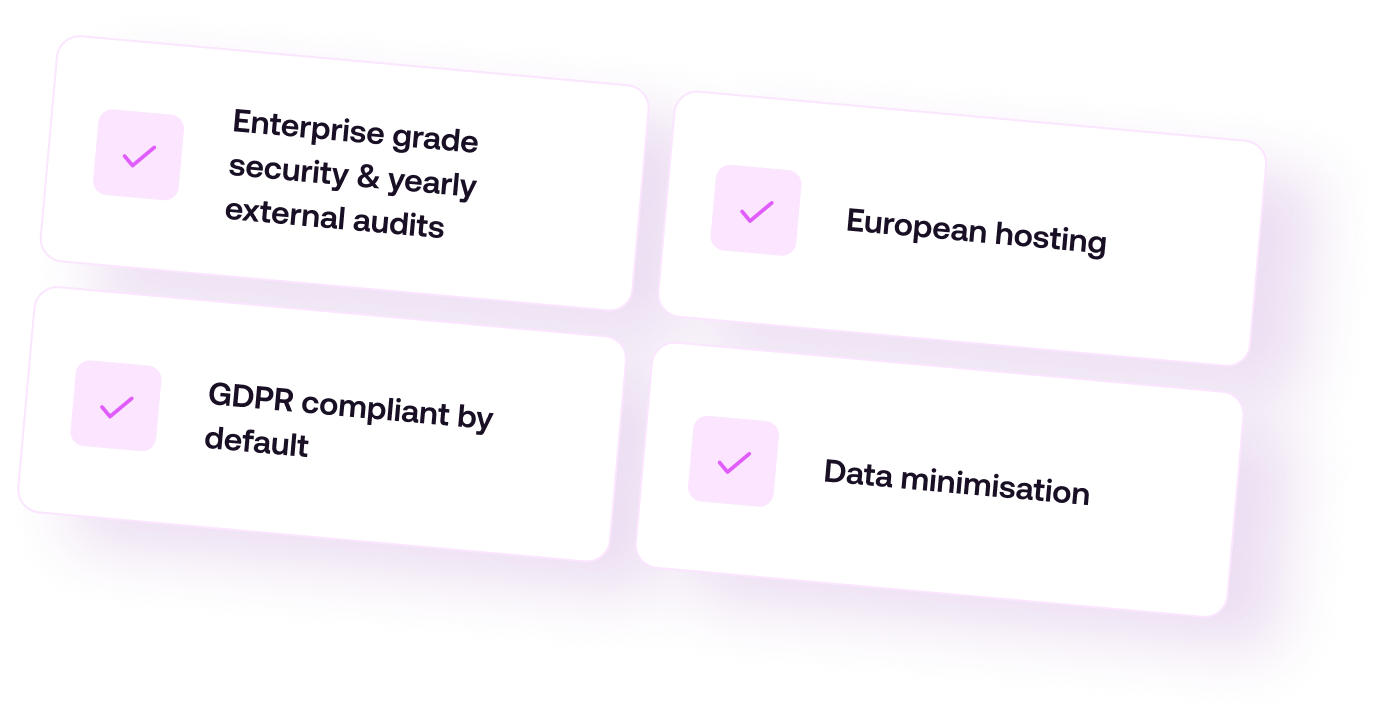
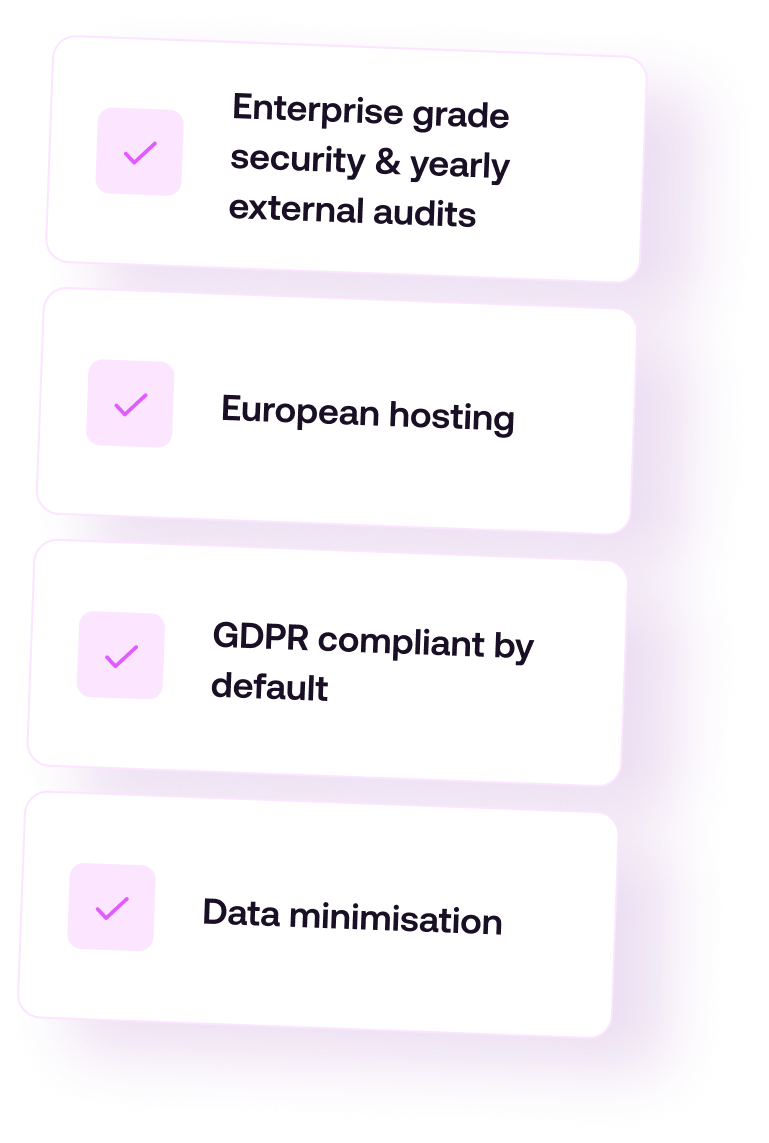
Security & data privacy in everything we do





Talk to Commuty today
We help teams make parking, charging, and commuting, work in real working environments.
Commuty is a parking and mobility management platform that helps organisations manage parking, EV charging, and commuting using clear rules instead of first come, first served.
Commuty is especially useful when parking capacity is limited, EV charging demand is growing, or manual coordination no longer scales. It is designed for private parking in corporate environments, as well as shared parking in single- and multi-tenant buildings.
Commuty uses rule-based parking allocation instead of first come, first served or nominative spots. You define the rules that determine who gets access, based on criteria like user groups, commuting distance, parking usage or mobility choices. Access is allocated in advance, so users know ahead of time whether they have a spot on a given day.
When demand exceeds availability, clear priority rules decide who gets access, and anyone who misses out is told why. This keeps parking fair, predictable and transparent.
Yes. Commuty integrates with existing access control systems such as gates, badges, licence plate recognition, and EV chargers. There is no need to replace your current infrastructure.
EV charging is managed using the same rule-based approach as parking. You can define who gets access to chargers and how charging is shared over time. Charging sessions can rotate to avoid chargers staying blocked, helping you make better use of existing charging points.
Commuty can link parking access to commuting behaviour. Employees who car share, drive electric, or use alternative transport can be given better chances of accessing parking, turning sustainability goals into practical incentives.
Commuty provides visibility into parking usage, commuting behaviour, and charging activity. This includes metrics such as kilometres travelled, CO₂ savings, and energy usage, supporting reporting, planning, and investment decisions.